Heat Pump Expert Services for Toronto Homes
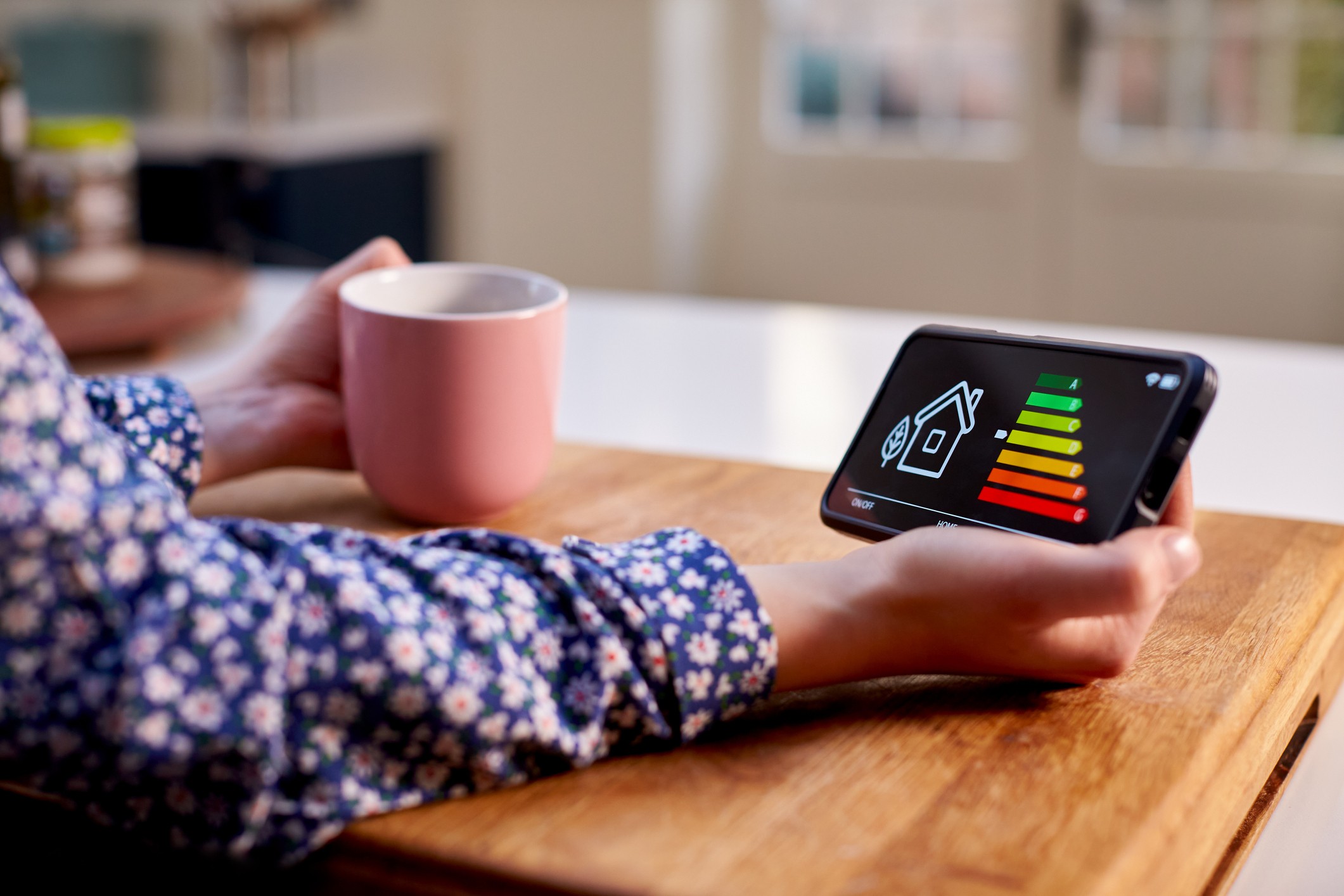
How Hydro Rates, Smart Thermostats, and Heat Pumps Affect Winter Energy Use in Toronto
For many Toronto homeowners, winter energy bills have become a growing concern. Between rising hydro costs, unpredictable weather patterns, and longer periods of cold, it's getting harder to anticipate what heating a home will cost from one season to the next. Even homes with efficient systems can see higher usage during cold snaps or periods of increased demand.
At the same time, the way homes use energy is changing. More households are relying on electric heating and cooling systems, smart thermostats are becoming standard, and time-of-use pricing plays a larger role in monthly bills. These shifts mean winter energy use is no longer just about outdoor temperatures, it's about how different systems interact throughout the day.
How Ontario Electricity Rates Influence Winter Heating Costs
Before looking at how heating systems and thermostats affect winter energy use, it helps to understand how electricity pricing works in Ontario, especially during colder months when demand is higher.
Time-of-Use and Tiered Pricing Explained
Most Toronto homeowners are billed under either time-of-use (TOU) or tiered electricity pricing. With time-of-use pricing, electricity costs more during peak demand hours and less overnight and on weekends. Tiered pricing charges a set rate up to a usage threshold, with a higher rate applied once that threshold is exceeded.
In winter, heating demand often pushes electricity use higher overall, which can make both pricing models feel more noticeable. Homes using electric heating systems may see higher consumption during extended cold periods, particularly if systems are running frequently during peak hours.
Why Winter Energy Use Feels Less Predictable
Winter energy use isn't just driven by how cold it gets, it's influenced by how long temperatures stay low and how consistently heating systems need to operate. Cold snaps that last several days can increase electricity use even in efficient homes, especially when heating systems work harder to maintain indoor comfort.
Changing household patterns also play a part. More time spent indoors, different work-from-home schedules, and greater reliance on electric systems can all shift when and how electricity is used throughout the day.
How Pricing and Heating Demand Intersect
During winter, peak electricity hours often overlap with times when homes need the most heating. This doesn't automatically mean higher costs, but it does make system behaviour and scheduling more important. Heating systems that cycle frequently or rely heavily on backup heat during peak periods can contribute to higher energy use under certain conditions.
Looking into rebates available in Ontario?
Programs change over time, and qualification isn’t always straightforward without looking at your home and equipment.
How Smart Thermostats Influence Winter Energy Use
Smart thermostats are often marketed as an easy way to reduce energy use, but their real impact depends on how they're set up and how they interact with your heating system. In winter, especially in homes using heat pumps, thermostat behaviour can influence not just comfort, but when and how energy is consumed.
One of the biggest advantages of a smart thermostat is its ability to maintain steady, predictable operation. Frequent manual temperature changes, turning the heat up and down throughout the day, can increase energy use, particularly during cold weather. Heat pumps are designed to work most efficiently when maintaining consistent temperatures rather than recovering from large setbacks.
A well-planned schedule allows the system to operate gradually, reducing sudden spikes in demand and helping the heat pump perform as intended.
Using Off-Peak Hours More Effectively
For homeowners on time-of-use pricing, smart thermostats can help align heating patterns with lower-cost electricity periods. Modest temperature adjustments overnight or during off-peak hours can reduce demand during peak times without noticeably affecting comfort.
This doesn't mean letting a home get cold. Instead, it's about avoiding sharp temperature increases during peak hours and allowing the system to maintain comfort steadily throughout the day.
Common Smart Thermostat Missteps in Winter
Smart thermostats don't always deliver savings automatically. Some common issues include:
- Setting aggressive temperature setbacks that force the system to work harder later
- Expecting "learning" features to compensate for poor scheduling
- Treating a heat pump like a traditional furnace, with frequent on-off cycling
In cold weather, these habits can increase energy use rather than reduce it. knowing how your heating system responds to thermostat changes is key to getting the most out of smart controls.
Thermostats are just one part of the equation. Their effectiveness depends heavily on proper system sizing, installation quality, and how the heat pump is configured to operate during winter conditions. When these elements work together, smart thermostats can help smooth energy demand instead of amplifying it.
How Modern Heat Pumps Behave in Toronto Winters
Heat pump technology has changed significantly over the past decade. Although older systems struggled in cold climates, modern cold-climate heat pumps are designed specifically to operate efficiently through Toronto's winter conditions.
Today's heat pumps are engineered to deliver reliable heating even as outdoor temperatures drop well below freezing. Many modern systems are designed to operate efficiently at temperatures as low as -25°C, maintaining steady output without the sharp efficiency drop seen in earlier models.
Rather than producing heat through combustion, heat pumps move heat from outside air into the home. Even in cold weather, there is usable heat energy available, the system's job is to extract and transfer it efficiently. Advances in compressor technology and controls have made this process far more effective in winter than it once was.
Consistent Operation Works Better Than Short Cycling
Heat pumps perform best when they run steadily rather than switching on and off frequently. In winter, this means maintaining indoor temperatures gradually instead of relying on rapid temperature increases.
When systems are properly sized and configured, they deliver a consistent level of heat that keeps indoor temperatures stable. This steady operation helps avoid unnecessary energy spikes and reduces wear on system components.
Why System Design Has a Bigger Impact on Performance
Although efficiency ratings and brand names often get the most attention, real-world winter performance depends heavily on system design. Proper sizing, airflow, and integration with existing ductwork all influence how well a heat pump performs during prolonged cold periods.
An oversized or poorly configured system may cycle too frequently, rely more on backup heating, or consume more energy than expected. A well-designed system, on the other hand, maintains comfort efficiently even when outdoor conditions are challenging.
Backup Heating and When It's Used
Most cold-climate heat pump systems include a form of auxiliary or backup heating. This doesn't mean the heat pump has failed, it's a safeguard for extreme conditions or periods of unusually high demand.
When systems are designed correctly, backup heating is used sparingly and strategically, rather than becoming a primary heat source. Knowing when and why auxiliary heat engages helps homeowners better interpret winter energy use and avoid unnecessary concern when cold snaps occur.
How Heat Pumps Help Avoid Winter Energy Spikes
One of the less obvious benefits of modern heat pump systems is how they manage energy use over time. When properly designed and operated, heat pumps can help reduce sharp increases in electricity demand, especially during prolonged cold weather.
Steady Output Reduces Demand Surges
Unlike traditional heating systems that cycle on at full output and then shut off, heat pumps are designed to operate more continuously. This steady operation allows the system to maintain indoor comfort without frequent spikes in energy use.
By delivering heat gradually, rather than in short bursts, heat pumps avoid the sudden demand increases that often occur when systems struggle to recover from large temperature setbacks. This is particularly important during cold snaps, when overall electricity demand across the grid is already high.
Alignment With Smart Thermostat Scheduling
Heat pumps work best when paired with thermostat settings that support consistent operation. Instead of large temperature swings, modest adjustments and stable schedules allow the system to operate efficiently throughout the day.
This approach helps smooth energy use across peak and off-peak periods. Rather than forcing the system to work harder during high-cost hours, steady operation spreads energy demand more evenly, which can help manage winter electricity use more predictably.
Minimal Reliance on Backup Heating
Energy spikes often occur when auxiliary or backup heating engages frequently. Backup systems typically use more energy than the heat pump itself, especially if they become the primary heat source during cold weather.
A properly sized and well-configured heat pump minimizes reliance on backup heating by maintaining consistent output even as outdoor temperatures drop. When auxiliary heat is needed, it's used selectively rather than continuously, helping avoid unnecessary increases in electricity consumption.
What Helps Systems Perform Reliably in Winter
Avoiding energy spikes isn't just about the equipment, it's about how the system is designed and set up to operate. Factors like correct sizing, airflow balance, and control settings all influence how smoothly a heat pump responds to winter conditions.
When these elements are aligned, heat pumps can deliver reliable comfort without the sharp energy fluctuations that often drive winter billing surprises.
What to Watch for When Evaluating Energy Advice or Heat Pump Quotes
As interest in heat pumps and winter energy costs grows, so does the amount of advice available online and in the marketplace. Not all guidance is equally useful, and in some cases, oversimplified claims can lead to unrealistic expectations or poorly performing systems.
Be Cautious of Oversimplified Savings Claims
Energy use varies widely from one home to another. Advice that promises dramatic savings without accounting for home layout, insulation, system design, or winter operating conditions often overlooks important details. Winter energy performance depends on how all components work together, not on a single setting or feature.
Watch for Recommendations Based Only on Rebates
Efficiency incentives can be helpful, but they shouldn't be the starting point for system design. Quotes that focus primarily on rebates, without explaining how the system will be sized, installed, or operated in winter, may not reflect long-term performance or comfort.
A well-designed system should make sense for the home first, with incentives considered as part of the overall picture.
Look for Clear Explanations of System Behaviour
Reliable guidance explains how a system will operate during cold weather, including when backup heating may engage and how energy use may change during prolonged cold periods. Vague descriptions or avoided questions can make it harder to understand what to expect once winter arrives.
Pressure to Decide Quickly Is a Red Flag
Heating system decisions affect comfort and energy use for many years. If advice or quotes rely on urgency rather than clear explanations, it's worth slowing the process down. A professional assessment should give you the information you need to make an informed decision, without pressure.
Good Advice Connects Energy Use to Real Conditions
The most useful guidance considers Toronto's climate, local hydro pricing, and how a specific home is used day to day. When energy advice connects system design, thermostat behaviour, and winter conditions realistically, it's easier to plan with confidence and avoid surprises later.
Planning Ahead Leads to Fewer Winter Surprises
Winter energy use doesn't have to feel unpredictable. For Toronto homeowners, modern heat pumps, smart thermostat controls, and thoughtful system design can work together to deliver steady comfort without unnecessary energy spikes. The key is allowing systems to operate as designed, avoiding reactive adjustments, and taking time to understand how your home responds during colder conditions.
Rather than chasing quick fixes once winter arrives, a measured approach helps reduce surprises and makes energy use easier to manage over the long term. Knowing how your heating system behaves, how your thermostat settings affect demand, and how hydro pricing influences costs puts you in a stronger position going into the winter season.
When a Professional Assessment Can Be Helpful
Understanding how hydro rates, thermostat settings, and heat pump systems interact gives homeowners a stronger foundation for managing winter energy use. In some cases, though, a professional assessment can help clarify how these factors apply to a specific home.
Homes with uneven heating, rising winter energy costs, or older equipment may benefit from a closer look at system sizing, airflow, and control settings. A review can also help determine how often backup heating is being used and whether the system is operating as efficiently as intended during colder weather.
For Toronto homeowners planning ahead for winter, an assessment isn't about making immediate changes, it's about understanding how the existing system performs under real conditions and identifying opportunities to improve comfort and efficiency over time.
Clear information makes it easier to plan, whether adjustments are needed now or simply noted for the future.
If you’re unsure how your current system will perform this winter, a professional assessment from HeatPumps.ca can help clarify your options and what to expect.